Physiotherapy Conditions We Treat
Sports Injury
Shoulder Injuries
Shoulder Injuries
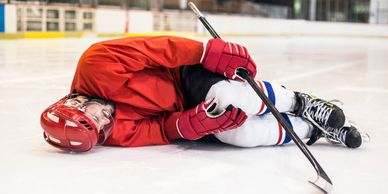
Managing a sports injury requires a structured, multi-phase rehabilitation pathway that transitions safely from acute swelling control to high-level functional conditioning and sports-specific return-to-play testing.
At Lifecare Sports and Spine Physiotherapy(5209 49 Street, Wetaskiwin), sports injury management follows a precise, evidence-based clinical sequence designed to safely minimize your time away from your sport.
Shoulder Injuries
Shoulder Injuries
Shoulder Injuries
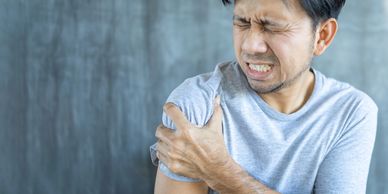
Managing a shoulder injury requires a systematic, phase-based rehabilitation pathway that protects healing tissues while aggressively addressing the joint's complex relationship with the shoulder blade (scapula) and core. Because the shoulder is the most mobile joint in the human body, its stability depends heavily on a highly coordinated rotator cuff and optimal muscular tracking.
At Lifecare Sports and Spine Physiotherapy (5209 49 Street, Wetaskiwin), shoulder rehabilitation follows a precise, evidence-based clinical sequence to restore pain-free overhead function.
Elbow Pain
Shoulder Injuries
Neck and Upper Back Pain
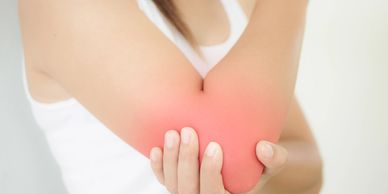
Managing elbow pain requires a systematic, evidence-based rehabilitation pathway that protects healing tendons while aggressively addressing the joint's relationship with wrist mechanics and the cervical spine. Because the elbow serves as a mechanical anchor for the muscles that control your wrist and hand, everyday tasks like turning a doorknob, typing, or squeezing a grip can constantly aggravate an untreated injury.
At Lifecare Sports and Spine Physiotherapy (5209 49 Street, Wetaskiwin), elbow rehabilitation follows a precise, multi-phase clinical sequence to eliminate pain and restore long-term upper limb strength.
Neck and Upper Back Pain
Neck and Upper Back Pain
Neck and Upper Back Pain
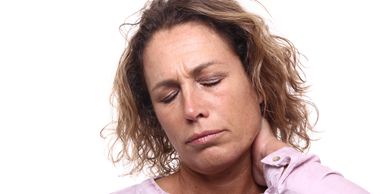
Managing neck and upper back pain requires a structured, multi-phase clinical approach that transitions from immediate pain relief to long-term spinal stabilization. Because the cervical spine (neck) and thoracic spine (upper back) form a single, interlocking kinetic chain, stiffness or a muscle spasm in one area directly forces compensation and pain in the other.
At Lifecare Sports and Spine Physiotherapy (5209 49 Street, Wetaskiwin), your rehabilitation follows an evidence-based care pathway designed to target the root cause of your discomfort.
Back Pain
Neck and Upper Back Pain
Hip Injury

Managing back pain under Canadian clinical practice guidelines centers on conservative, non-pharmacological frontline care. Modern frameworks and provincial safety quality standards, strongly discourage early diagnostic imaging, opioids, and prolonged bed rest. Instead, guidelines prioritize thorough triage, reassurance, patient self-management, and keeping the spine moving.
At Lifecare Sports and Spine Physiotherapy, we integrate these national standards to build your custom path to recovery.
Hip Injury
Neck and Upper Back Pain
Hip Injury
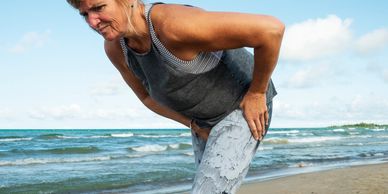
Managing a hip injury requires a systematic, phased rehabilitation pathway that addresses the joint's deep socket anatomy, pelvic alignment, and its mechanical relationship with the lumbar spine and core. Because the hip is a primary weight-bearing ball-and-socket joint, structural issues quickly cause compensatory movement faults in the low back and knees.
At Lifecare Sports and Spine Physiotherapy (5209 49 Street, Wetaskiwin), your hip rehabilitation follows a precise, evidence-based clinical sequence to restore pain-free biomechanics
Knee Injury
Ankle Injury
Ankle Injury
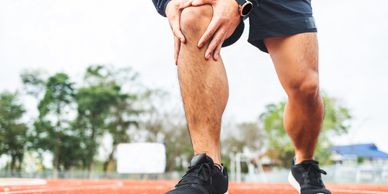
Managing a knee injury requires a systematic, phased rehabilitation pathway that protects healing tissues while aggressively addressing the joint's relationship with hip stabilizers and foot mechanics. Because the knee is a modified hinge joint positioned between the hip and the ankle, its tracking and structural loading are heavily influenced by the entire lower kinetic chain.
At Lifecare Sports and Spine Physiotherapy (5209 49 Street, Wetaskiwin), your rehabilitation follows an evidence-based care pathway designed to safely restore pain-free movement.
Ankle Injury
Ankle Injury
Ankle Injury
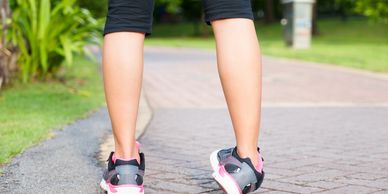
An ankle injury can range from an acute inversion sprain to chronic ligamentous instability or tendinopathy. Managing an ankle injury effectively requires a systematic, phased rehabilitation pathway that protects healing tissues while aggressively addressing ankle mobility and balance reflexes to prevent re-injury.
At Lifecare Sports and Spine Physiotherapy (5209 49 Street, Wetaskiwin), your rehabilitation follows an evidence-based care pathway designed to safely restore pain-free movement.
Vertigo
Ankle Injury
Concussion

Managing vertigo requires a systematic, evidence-based approach that accurately distinguishes between peripheral vestibular disorders (originating in the inner ear) and central neurological pathologies (originating in the brainstem or cerebellum). Because vertigo is a symptom of altered spatial perception rather than a single condition, treating it successfully relies on pinpointing the exact mechanism behind the dizziness.
At Lifecare Sports and Spine Physiotherapy (5209 49 Street, Wetaskiwin), your vestibular rehabilitation follows a precise, multi-phase clinical sequence.
Concussion
Headache and Jaw pain
Concussion
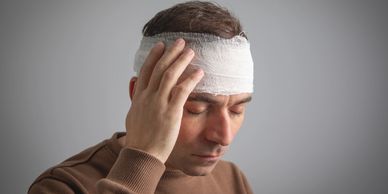
Managing a concussion requires a highly controlled, multi-phase rehabilitation pathway. Because a concussion is a functional brain injury affecting how neuro-metabolic energy is processed, early-stage pacing is vital to protect the healing brain while addressing secondary issues like whiplash or visual-vestibular changes.
At Lifecare Sports and Spine Physiotherapy (5209 49 Street, Wetaskiwin), concussion management follows a precise, evidence-based clinical sequence to ensure a safe, permanent return to school, work, and sports.
Whiplash Injury
Headache and Jaw pain
Headache and Jaw pain

Managing a whiplash injury—clinically classified as a Whiplash-Associated Disorder (WAD)—requires a swift, movement-focused rehabilitation pathway that transitions safely from early inflammation control to active spinal stabilization. Modern Canadian clinical guidelines strongly discourage prolonged use of rigid neck collars or extended bed rest, as immobilizing the neck can lead to chronic muscle wasting, joint stiffness, and long-term disability.
At Lifecare Sports and Spine Physiotherapy (5209 49 Street, Wetaskiwin), your rehabilitation follows an evidence-based care pathway designed to restore full, pain-free spinal function
Headache and Jaw pain
Headache and Jaw pain
Headache and Jaw pain

Managing headaches and jaw pain together requires a highly specialized clinical approach that addresses the intersection of Temporomandibular Joint (TMJ) disorders, the cervical spine (neck). Because the nerves that supply your jaw muscles share pathways with the nerves regulating sensation in your head and neck, jaw tension frequently manifests as a severe tension headache or a cervicogenic migraine.
At Lifecare Sports and Spine Physiotherapy (5209 49 Street, Wetaskiwin), your care follows an evidence-based pathway designed to safely restore biomechanical alignment and eliminate pain triggers